Sustainable Hospital Design: Green Building and Energy Efficiency Strategies
- Sunny Shroff
- Mar 26
- 3 min read

Hospitals consume vast amounts of energy and resources, making them prime candidates for sustainable design. Creating green hospitals not only reduces environmental impact but also improves patient outcomes and lowers operating costs. This post explores practical strategies for integrating green building principles and energy efficiency into hospital design, offering examples and insights for architects, healthcare planners, and facility managers.
Why Green Building Matters in Hospitals
Hospitals operate 24/7, requiring continuous lighting, heating, cooling, and specialized equipment. This leads to high energy consumption and carbon emissions. Green building strategies help reduce these impacts by:
Lowering energy use and utility costs
Improving indoor air quality for patients and staff
Enhancing natural light and comfort
Supporting public health through environmental stewardship
For example, the Gundersen Health System in Wisconsin achieved energy independence by investing in renewable energy and efficiency upgrades, cutting energy costs by 70% over a decade.
Key Energy Efficiency Strategies for Hospital Design
1. Optimize Building Orientation and Envelope
Positioning the hospital to maximize natural daylight reduces the need for artificial lighting. Using high-performance insulation, energy-efficient windows, and airtight construction minimizes heat loss or gain. This reduces heating and cooling loads significantly.
South-facing windows with shading devices balance daylight and heat control
Triple-glazed windows improve thermal performance
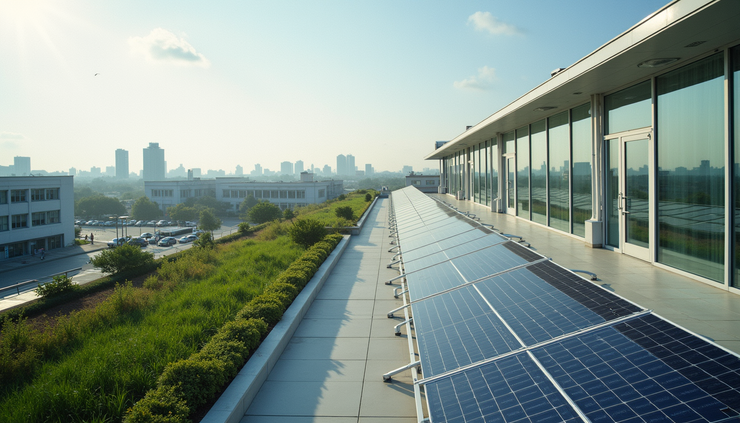
Green roofs add insulation and reduce urban heat island effect
2. Use Efficient HVAC Systems
Heating, ventilation, and air conditioning (HVAC) systems consume the largest share of hospital energy. Efficient HVAC design includes:
Variable air volume (VAV) systems that adjust airflow based on occupancy
Heat recovery ventilators that reclaim energy from exhaust air
Zoned temperature controls for different hospital areas
Demand-controlled ventilation using CO2 sensors
For instance, the Dell Children’s Medical Center in Texas uses a geothermal heat pump system, cutting HVAC energy use by 50%.

3. Integrate Renewable Energy Sources
Hospitals can generate part of their energy on-site through solar panels, wind turbines, or geothermal systems. This reduces reliance on fossil fuels and enhances resilience during power outages.
Solar photovoltaic (PV) panels on rooftops or parking structures
Solar thermal systems for hot water needs
Small-scale wind turbines where feasible
Geothermal heating and cooling
The University of California San Francisco Medical Center installed a 1.2 MW solar array, supplying 10% of its electricity needs.
4. Implement Smart Lighting Solutions
Lighting accounts for a significant portion of hospital electricity use. Strategies include:
LED lighting with long lifespan and low energy use
Daylight harvesting systems that dim lights when natural light is sufficient
Occupancy sensors in low-traffic areas like storage rooms and restrooms
Tunable lighting to support circadian rhythms in patient rooms
5. Water Efficiency and Waste Reduction
Water-saving fixtures and efficient irrigation reduce water consumption. Hospitals can also manage waste through recycling programs and sustainable materials selection.
Low-flow faucets and toilets
Rainwater harvesting for landscaping
Use of recycled and low-impact building materials
Proper waste segregation and composting

Benefits Beyond Energy Savings
Sustainable hospital design improves patient recovery by providing access to natural light, fresh air, and calming green spaces. Staff productivity and satisfaction increase in healthier environments. Additionally, hospitals reduce their carbon footprint, contributing to broader climate goals.
Moving Forward with Sustainable Hospital Design
Designing green hospitals requires collaboration among architects, engineers, healthcare providers, and sustainability experts. Early integration of energy efficiency and renewable energy strategies ensures cost-effective solutions. Facility managers should monitor performance and adjust systems to maintain efficiency over time.
By adopting these strategies, hospitals can become models of environmental responsibility while delivering high-quality care. The next step is to prioritize sustainability in every phase of hospital planning and operation.


Comments