The Role of Sustainable Hospital Building Experts in Modern Healthcare
- Sunny Shroff
- Mar 23
- 3 min read

Building a hospital today is not just about bricks and mortar. It’s about creating a space that heals, conserves, and innovates. As someone deeply involved in healthcare infrastructure, I’ve seen firsthand how sustainable hospital building experts transform visions into reality. They don’t just design buildings; they craft environments that support patient recovery, reduce environmental impact, and optimize operational costs.
Sustainability in healthcare infrastructure is no longer optional. It’s a necessity. And that’s where these experts come in, guiding every step of the process with precision and passion.
Why Sustainable Hospital Building Experts Are Game Changers
Sustainable hospital building experts bring a unique blend of knowledge in healthcare needs and environmental design. They understand the delicate balance between clinical functionality and green building principles. Their role is crucial in:
Reducing energy consumption: Hospitals are energy-intensive. Experts design systems that cut down on waste and use renewable energy sources.
Improving indoor air quality: Clean air is vital for patient recovery. Sustainable designs incorporate advanced ventilation and filtration.
Optimizing water use: Efficient water management reduces costs and environmental strain.
Enhancing natural lighting: Proper daylighting improves mood and reduces reliance on artificial lighting.
Selecting eco-friendly materials: From recycled content to low-VOC paints, materials matter.
These experts don’t just focus on the environment; they ensure the hospital’s clinical operations remain seamless and efficient.
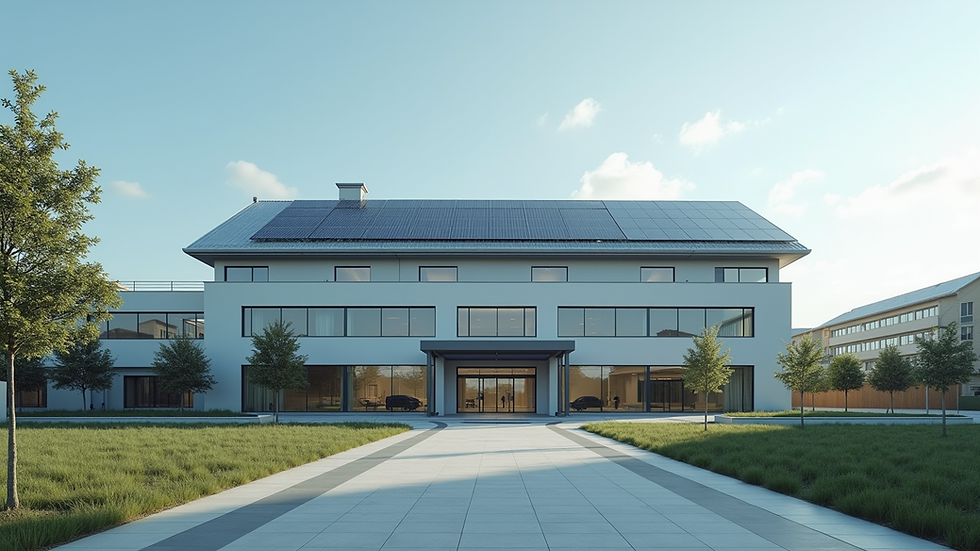
How Sustainable Hospital Building Experts Shape Healthcare Infrastructure
The process starts with a deep dive into the project’s goals. Sustainable hospital building experts collaborate with architects, engineers, clinicians, and investors to align sustainability with clinical needs. Here’s how they make a difference:
Site Analysis and Planning
They assess the location’s climate, topography, and existing infrastructure. This helps in positioning the building to maximize natural resources like sunlight and wind.
Energy Modeling and Systems Design
Using advanced software, they simulate energy use and optimize HVAC, lighting, and power systems. The goal is to minimize energy consumption without compromising patient comfort.
Material Selection and Waste Reduction
Experts recommend materials that are durable, non-toxic, and sourced responsibly. They also plan for construction waste management to reduce landfill impact.
Water Efficiency Strategies
Rainwater harvesting, greywater recycling, and low-flow fixtures are integrated to conserve water.
Certification and Compliance
They guide projects through green building certifications such as LEED or WELL, ensuring the hospital meets rigorous sustainability standards.
By embedding these strategies early, sustainable hospital building experts help avoid costly retrofits and operational inefficiencies later.
The Impact of Sustainable Design on Patient Care and Operational Efficiency
Sustainability isn’t just about the planet; it’s about people. Hospitals designed with green principles improve patient outcomes and staff well-being. Here’s why:
Better Air Quality reduces infections and respiratory issues.
Natural Light Exposure accelerates healing and reduces stress.
Noise Reduction through sound-absorbing materials creates a calm environment.
Thermal Comfort ensures patients and staff remain comfortable year-round.
Operationally, these hospitals see:
Lower Energy Bills thanks to efficient systems.
Reduced Maintenance Costs with durable materials.
Enhanced Reputation attracting patients and top medical talent.
Investors and developers benefit from higher asset value and long-term savings. It’s a win-win scenario.

Practical Steps to Engage Sustainable Hospital Building Experts
If you’re planning a healthcare facility, here’s how to leverage the expertise of sustainable hospital building experts effectively:
Start Early: Involve them from the conceptual phase to integrate sustainability seamlessly.
Set Clear Goals: Define your priorities—energy savings, patient comfort, certification targets.
Collaborate Closely: Encourage open communication between all stakeholders.
Invest in Training: Ensure your team understands sustainable practices and benefits.
Monitor and Adapt: Use post-occupancy evaluations to fine-tune building performance.
By following these steps, you ensure your project not only meets but exceeds expectations.
Why Partnering with Green Hospital Building Consultants Makes Sense
Choosing the right partner is critical. Green hospital building consultants bring specialized expertise that bridges healthcare demands with sustainability goals. They help you:
Navigate complex regulations and certifications.
Access cutting-edge technologies and materials.
Design resilient buildings that adapt to future needs.
Maximize return on investment through operational savings.
Their guidance turns challenges into opportunities, making your healthcare infrastructure a model of innovation and responsibility.
Building the Future of Healthcare Infrastructure
The future of healthcare lies in buildings that heal both people and the planet. Sustainable hospital building experts are the architects of this future. They combine science, design, and sustainability to create spaces that inspire confidence and care.
By embracing their expertise, you’re not just constructing a hospital—you’re investing in a healthier, more sustainable tomorrow. The impact resonates beyond walls, benefiting patients, clinicians, investors, and communities alike.
Let’s build healthcare spaces that stand the test of time, with sustainability at their core.


Comments